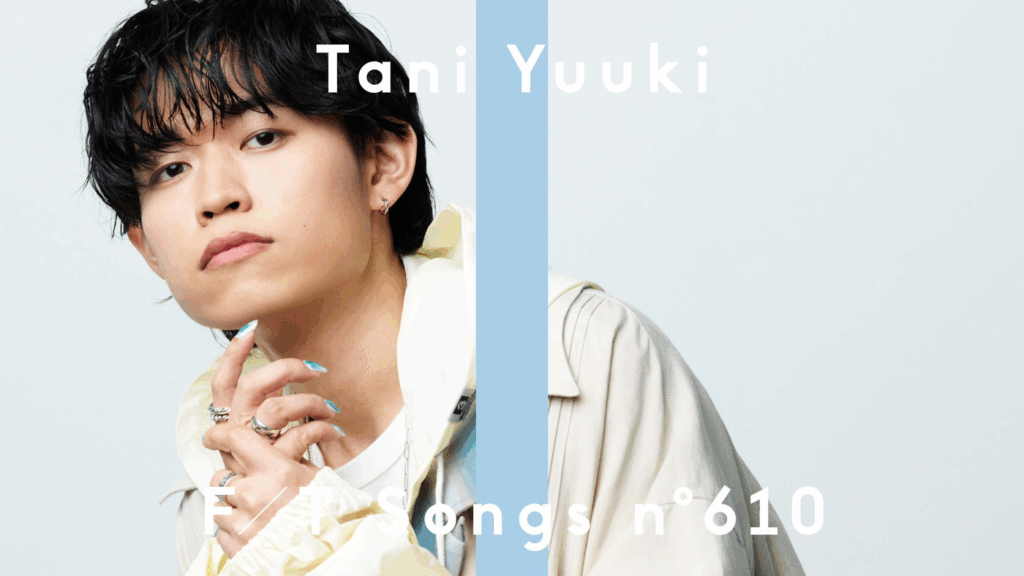
JLPT N3 J-Pop Lyric Analysis: Tani Yuuki – 「もしものがたり」
1. Title and Orientation
This study guide supports JLPT N3 learners (intermediate Japanese) in analyzing the song “Moshimo Monogatari” (A “What If” Story) by Tani Yuuki. The intended reader is comfortable with basic kanji and grammar but needs support with contemporary slang, idiomatic expressions, and the specific nuances of song lyrics. This document provides linguistic breakdowns, cultural context, and practice materials to deepen comprehension.
Notably, this song was written as a new ending theme for the highly famous anime series Doraemon, which is a significant cultural touchstone in Japan. Understanding this context is key to grasping the song’s themes of hope, courage, and imagination.
Proficiency Prerequisites:
Students should have completed JLPT N4 or equivalent before attempting this material. Specifically, you should be comfortable with:
- Basic verb conjugations: て-form, た-form, potential form (e.g., られる), and volitional form (e.g., しよう).
- Basic particles: は, が, を, に, で, と, も, の.
- Sentence structures: AはBです, verb phrases, adjective usage.
- Approximately 600+ kanji (N5 + N4 levels).
How to Use This Guide:
- Complete Pre-Listening Activities (Section 3).
- Do Active Listening Tasks (Section 4) with the audio.
- Study Line-by-Line Commentary (Section 5) with lyrics and audio.
- Review Slang Glossary and Grammar Appendix (Sections 6-7).
- Complete Practice Set (Section 8).
- Do Production Activities (Section 9).
- Follow Next Steps (Section 10).
Important: This song is best used to reinforce and practice grammar you’ve already studied, not to learn new structures for the first time. You should interact with this song 5-7 times across different activities for maximum learning benefit.
2. Full Lyrics Display
The complete lyrics explore themes of imagination, potential, and the courage to shape one’s own future. The song speaks to the universal childhood experience of thinking “what if,” and encourages the listener to believe in their own power to turn those possibilities into reality. Its connection to Doraemon is central, referencing the idea of a magical pocket that can make dreams come true, which is the main premise of the anime.
Key structural elements include:
- Verse 1: Poses the question of which “what if” future one would choose.
- Verse 2: Reflects on past stumbles and how they’ve led to the present.
- Pre-Chorus: A call to adventure and dreaming of the unimaginable.
- Chorus: The core message—that any future is possible with the contents of a “mysterious pocket” and one’s own courage.
- Bridge: Explicitly states that “what ifs” are the starting point of everyday life and encourages perseverance despite mistakes.
- Outro: A simple, melodic finish.
Audio Integration Note:
- Audio source: Official audio and music videos can be found on Tani Yuuki’s official YouTube channel and major streaming platforms like Spotify and Apple Music.
- Total song length: Approximately 3:30
- Recommended listening approach:
- First listen: No lyrics, focus on the overall upbeat and hopeful impression.
- Second listen: With the gap-fill exercise (Section 4).
- Third+ listens: With full lyrics and commentary (Section 5).
Tempo and Difficulty Rating:
- Tempo: Moderate (approx. 110-120 BPM)
- Pronunciation clarity: Very Clear. Tani Yuuki’s enunciation is clean and easy for learners to follow.
- Vocabulary level: Mostly N4-N3, with some slightly more poetic language.
- Cultural reference density: Moderate. The central theme heavily relies on understanding the cultural significance of Doraemon.
- Overall difficulty: Mid N3. The grammar is straightforward, but the thematic depth and cultural references require some background knowledge.
3. Pre-Listening Activities
Before You Listen: Preparation Activities
Complete these activities before your first listening to maximize comprehension and reduce frustration.
Vocabulary Preview
Familiarize yourself with these 6 key terms that appear frequently in the song:
- もしも (moshimo): “If” or “what if,” used for hypothetical situations.
- 物語 (ものがたり, monogatari): A story, tale, or legend.
- 冒険 (ぼうけん, bouken): An adventure.
- 想像 (そうぞう, souzou): Imagination or guess.
- 不思議 (ふしぎ, fushigi): Mysterious, strange, wonderful.
- 勇気 (ゆうき, yuuki): Courage, bravery.
Thematic Warm-up Questions
Think about these questions before listening:
- Have you ever thought, “What if my life was different?” What kind of “what if” did you imagine?
- The song is connected to the anime Doraemon. What do you know about Doraemon and his magic pocket?
- What is a dream or a goal you have that seems almost impossible right now?
Grammar Alert
This song features these grammar patterns you should recognize from JLPT N3 studies:
- ~ことがある (koto ga aru): Used to talk about past experiences (“have you ever…?”).
- ~なら (nara): A conditional form, “if it’s the case that…”
- ~さえあれば (sae areba): “If only you have…” or “as long as you have…” This pattern emphasizes the minimum requirement for something to happen.
Watch for these patterns as you listen—they’ll help you understand the singer’s message about possibility and past experiences.
First Listening Goals
On your first listen (WITHOUT reading the lyrics), try to identify:
- General mood/emotion of the song (hopeful? exciting? calm?).
- 2-3 Japanese words you recognize clearly.
- Whether the song is: telling a story / expressing feelings / describing a journey / giving advice.
- Any English words used in the song (Hint: there are a few interjections).
4. Active Listening Tasks
Progressive Listening Activities
Listening 1: Global Comprehension (without lyrics—audio only)
Play the song once without looking at any lyrics. Answer these questions:
- What is the overall mood? Circle one: happy / sad / angry / nostalgic / excited / hopeful.
- Is this a fast or slow song? Circle one: slow / moderate / fast.
- Do you hear any English words? If yes, write them:
Wah, Cry, Gah, Umm. - Does the singer sound: male / female / multiple voices? Male.
- Wild guess: What do you think this song is about? (One sentence) Example: It seems to be about choices and the future.
Listening 2: Targeted Information (with partial lyrics—gap-fill exercise)
Fill in the missing words. These gaps test your ability to hear particles and verb endings.
Verse 1, Line 3:
考えたこと_あるでしょ?
Chorus, Line 2:
変えられる_少し不思議なポケットに
Verse 2, Line 5:
場所に僕ら_ないかも?
Bridge, Line 6:
これでよかった_思えるまで旅を続けよう
(Answers are in the Practice Set Answer Key at the end)
Listening 3: Detailed Analysis (with full lyrics)
Now you’re ready for the complete lyrics and detailed commentary in Section 5. As you read the analysis, play each section of the song to hear how it sounds. Notice the rhythm, the emotional emphasis, and how the sung pronunciation sometimes connects words smoothly.
5. Line-by-Line Commentary
Verse 1
Line 1: きっと 誰でも1度 (Wah)
- Translation: “Surely, everyone at least once…”
- Grammar note: きっと (kitto) means “surely” or “certainly,” expressing confidence. 誰でも (dare demo) means “anyone” or “everyone.” 1度 (いちど, ichido) means “one time.” The “(Wah)” is a vocal ad-lib and has no grammatical meaning.
- N3 Connection: This line sets a universal premise, a common rhetorical device.
Line 2: 今までに少し (Cry)
- Translation: “Up until now, a little bit…”
- Grammar note: 今まで (ima made) means “until now.” に is a particle marking a point in time. 少し (sukoshi) means “a little.” This line flows directly into the next.
Line 3: 考えたことがあるでしょ?
- Translation: “You’ve thought about it, haven’t you?”
- Grammar note: This is a key N3 pattern. The plain past tense verb 考えた (kangaeta – thought) + ことがある (koto ga aru) creates the meaning “have had the experience of thinking.” The ending でしょ (desho) is a casual form of でしょう (deshou), seeking agreement from the listener, similar to “…, right?” or “…haven’t you?”
Line 4: もしも そのどれか1つ (Gah)
- Translation: “If one of those things…”
- Grammar note: もしも (moshimo) is an emphatic “if,” used for hypothetical scenarios. その (sono) means “that,” and どれか (doreka) means “one of them” or “any one of them.” 1つ (ひとつ, hitotsu) also means “one.” The repetition emphasizes the idea of a single choice.
Line 5: 叶うならどの (Umm)
- Translation: “If it were to come true, which…”
- Grammar note: 叶う (kanau) is a verb meaning “to come true” (of a wish or dream). なら (nara) is a conditional particle meaning “if it’s the case that…” or “if.” どの (dono) means “which.” This line leads into the final question of the verse.
Line 6: 未来を君は選ぶの?
- Translation: “Which future would you choose?”
- Grammar note: 未来 (mirai) means future. The particle を (o) marks it as the direct object of the verb 選ぶ (erabu – to choose). The subject 君は (kimi wa – you) is placed after the object for stylistic emphasis. The final の (no) turns the statement into a casual question.
Pre-Chorus
Line 1: 僕らの冒険はまだ始まったばかり
- Translation: “Our adventure has only just begun.”
- Grammar note: 僕ら (bokura) is a casual, masculine way of saying “we.” 冒険 (bouken) means “adventure.” The grammar pattern ~たばかり (ta bakari) means “to have just done something.” It emphasizes the immediacy of the action. So, 始まったばかり (hajimatta bakari) means “has just begun.”
Line 2: 想像もつかないような夢を見せて
- Translation: “Show me a dream that’s unimaginable.”
- Grammar note: 想像もつかない (souzou mo tsukanai) is an idiomatic phrase meaning “unimaginable” or “beyond imagination.” The verb つく here means something like “to be attached,” so the literal sense is “imagination doesn’t even attach.” よう (you) functions like “as if” or “like.” 夢を見せて (yume o misete) is the て-form of 見せる (miseru – to show), used here as a command or strong request.
Chorus
Line 1: あんな未来も こんな世界も
- Translation: “That kind of future, and this kind of world…”
- Grammar note: あんな (anna) means “that kind of…” (far from both speaker and listener) and こんな (konna) means “this kind of…” (close to the speaker). Using both creates a sense of “all sorts of” futures and worlds. The particle も (mo) means “also” or “too,” implying inclusivity.
Line 2: 変えられるさ少し不思議なポケットに
- Translation: “Can be changed, you know! With a slightly mysterious pocket…”
- Grammar note: 変えられる (kaerareru) is the potential form of 変える (kaeru – to change), meaning “can change.” The ending さ (sa) is a masculine sentence-final particle used for emphasis, like a casual よ (yo). 不思議な (fushigi na) is a な-adjective for “mysterious.” ポケット (poketto) is the English word “pocket.” The particle に indicates the location/tool. This is a direct reference to Doraemon’s four-dimensional pocket.
Line 3: 詰め込んだ秘密の約束と
- Translation: “And the secret promises packed inside,”
- Grammar note: 詰め込んだ (tsumekonda) is the past tense of 詰め込む (tsumekomu), meaning “to stuff” or “pack tightly.” It modifies the following nouns. 秘密 (himitsu) means “secret,” and 約束 (yakusoku) means “promise.” The particle と (to) means “and.”
Line 4: 君の勇気さえあれば
- Translation: “If only you have your courage.”
- Grammar note: This is a key N3 pattern. Noun + さえあれば (sae areba) means “if only [noun] exists” or “as long as you have [noun].” It highlights the one essential ingredient needed: 勇気 (yuuki – courage).
Verse 2
Lines 1-3: きっと 誰でも1度 (Wah) / 今までに少し (Cry) / 躓いたことがあるでしょ?
- Translation: “Surely, everyone at least once / Up until now, a little bit / has stumbled, haven’t they?”
- Grammar note: This follows the exact same structure as Verse 1, but replaces 考えた (thought) with 躓いた (tsumazuita), the past tense of 躓く (tsumazuku – to stumble or trip). It shifts the theme from imagination to past failures.
Lines 4-6: もしも そのどれか1つ (Gah) / なかったらこの (Umm) /場所に僕らいないかも?
- Translation: “If one of those things / hadn’t happened, then in this… / place, we might not be, perhaps?”
- Grammar note: This also mirrors Verse 1’s structure. なかったら (nakattara) is the past conditional form of ない (nai), meaning “if it didn’t exist” or “if it hadn’t happened.” この場所 (kono basho) means “this place.” いない (inai) is the negative form of いる (iru – to exist for animate beings). The final かも (kamo) is short for かもしれない (kamoshirenai), meaning “might” or “perhaps.”
Pre-Chorus (Verse 2)
Line 1: 僕らの冒険はまだ未知の途中に
- Translation: “Our adventure is still in the middle of the unknown.”
- Grammar note: 未知 (michi) means “unknown.” の (no) connects it to 途中 (tochuu), which means “in the middle of” or “on the way.”
Line 2: 想像もつかないような希望見せて
- Translation: “Show me a hope that’s unimaginable.”
- Grammar note: Same structure as the first pre-chorus, but the object changes from 夢 (yume – dream) to 希望 (kibou – hope).
Chorus (Verse 2)
Line 1: あんな森も こんな夜も
- Translation: “That kind of forest, and this kind of night…”
- Grammar note: The objects of possibility change to 森 (mori – forest) and 夜 (yoru – night), symbols of being lost or in darkness.
Line 2: 抜けられるさ少し不思議なポケットに
- Translation: “Can get through them, you know! With a slightly mysterious pocket…”
- Grammar note: 抜けられる (nukerareru) is the potential form of 抜ける (nukeru), which means “to pass through” or “to escape from.” The rest is the same as the first chorus.
Lines 3-4: 詰め込んだ秘密の約束と / 君の勇気さえあれば
- Translation: “And the secret promises packed inside, / If only you have your courage.”
- Grammar note: Identical to the first chorus.
Bridge
Line 1: あんなことができたらいいな
- Translation: “It would be nice if I could do that kind of thing…”
- Grammar note: This uses the conditional ~たらいいな (tara ii na), an N3 pattern for expressing hopes or wishes. できた is the past tense of できる (dekiru – to be able to do), but in this conditional form, it refers to a future hope.
Line 2: こんなことができたらいいな
- Translation: “It would be nice if I could do this kind of thing…”
- Grammar note: Same structure, reinforcing the idea of wishing for many things.
Line 3: “もしも” はいつでも日常から始まるもの
- Translation: “‘What if’ is something that always begins from everyday life.”
- Grammar note: 日常 (nichijou) means “daily life” or “everyday.” から (kara) means “from.” 始まる (hajimaru) means “to begin.” The final もの (mono) nominalizes the phrase, turning it into “the thing that begins…” It frames imagination not as fantasy, but as an extension of reality.
Line 4: 間違ったっていいさ
- Translation: “It’s okay even if you make a mistake.”
- Grammar note: 間違った (machigatta) is the past tense of 間違う (machigau – to make a mistake). The grammar pattern ~たっていい (tatte ii) or ~てもいい (temo ii) means “it’s okay even if…” The ending さ (sa) adds casual emphasis.
Line 5: 失敗してしまったっていいさ
- Translation: “It’s okay even if you end up failing.”
- Grammar note: 失敗してしまった (shippai shite shimatta) uses the ~てしまう (te shimau) grammar pattern, which can indicate that an action was completed, often with a sense of regret or it being unintentional. Here, it means “to end up failing.” Combined with ~たっていいさ, the message is one of unconditional acceptance of failure.
Line 6: これでよかったと思えるまで旅を続けよう
- Translation: “Let’s continue the journey until you can think, ‘This was for the best.'”
- Grammar note: これでよかった (kore de yokatta) means “This was good” or “I’m glad it was this way.” と思える (to omoeru) means “to be able to think.” まで (made) means “until.” 旅を続けよう (tabi o tsuzukeyou) uses the volitional form of 続ける (tsuzukeru – to continue), meaning “Let’s continue the journey.”
Post-Bridge
Line 1: 僕らの冒険が終わってしまう前に
- Translation: “Before our adventure comes to an end…”
- Grammar note: 終わってしまう (owatte shimau) again uses the ~てしまう pattern, adding a sense of finality to the act of ending. 前に (mae ni) means “before.”
Line 2: 想像もつかないような景色見せて
- Translation: “Show me a view that’s unimaginable.”
- Grammar note: Same structure, but the object is now 景色 (keshiki – scenery, view).
Line 3: 明日を見せて
- Translation: “Show me tomorrow.”
- Grammar note: A simple, powerful request. 明日 (ashita) means “tomorrow.”
Final Chorus
Line 1: あんな未来も (未来も)
- Translation: “That kind of future, too (future, too)…”
- Grammar note: The parenthetical is a background vocal echo.
Line 2: こんな世界も (世界も)
- Translation: “This kind of world, too (world, too)…”
Line 3: 叶えられるさ少し不思議なポケットに
- Translation: “Can be made to come true, you know! With a slightly mysterious pocket…”
- Grammar note: 叶えられる (kanaerareru) is the potential form of 叶える (kanaeru – to grant a wish, to make come true). This is a subtle but important shift from 叶う (kanau – to come true on its own). This form implies an active agent is making it come true.
Lines 4-5: 詰め込んだ秘密の約束と / 君の勇気さえあれば
- Translation: “And the secret promises packed inside, / If only you have your courage.”
- Grammar note: Identical to the previous choruses.
6. Slang Glossary
While this song doesn’t use heavy slang, it has casual forms and particles common in conversational Japanese.
かも (kamo)
- Usage: A very common casual abbreviation of かもしれない (kamoshirenai), meaning “maybe,” “might,” or “perhaps.” It’s used at the end of a sentence to express uncertainty.
- Appropriateness: Very casual. Perfect for friends but avoid in formal writing or speeches.
- JLPT Level: N4 (for kamoshirenai), but the contraction is N3-level conversational fluency.
- Examples:
- 明日は雨が降るかも。(Ashita wa ame ga furu kamo.) – It might rain tomorrow.
- 彼はもう帰ったかも。(Kare wa mou kaetta kamo.) – He might have gone home already.
~さ (sa)
- Usage: A sentence-final particle used primarily by male speakers in casual conversation to add emphasis or a sense of assertion, similar to よ (yo). It can sound confident and slightly masculine.
- Appropriateness: Highly informal. Use only with close friends.
- JLPT Level: N3/N2 level of conversational nuance.
- Examples:
- 大丈夫さ!(Daijoubu sa!) – It’s fine! / Don’t worry!
- 行けるさ!(Ikeru sa!) – Of course we can go!
でしょ (desho)
- Usage: A casual contraction of でしょう (deshou). It’s used to seek agreement or confirmation from the listener, much like “…, right?” or “…, isn’t it?” in English.
- Appropriateness: Common in everyday speech among peers. It’s more polite than じゃん (jan) but less formal than でしょう.
- JLPT Level: N4 (for deshou), with the contraction being key for N3 listening.
- Examples:
- このケーキ、おいしいでしょ? (Kono keeki, oishii desho?) – This cake is delicious, right?
- 彼は来るでしょ? (Kare wa kuru desho?) – He’s coming, isn’t he?
7. Grammar Appendix
1. Potential Form (~られる / ~れる, -rareru / -reru)
- Rule: For Godan (Group 1) verbs, change the final
uvowel to anevowel and add る. For Ichidan (Group 2) verbs, drop the final る and add られる. Irregular verbs: する -> できる, 来る -> 来られる. - Meaning/Function: Expresses ability (“can do”) or potential (“is possible to do”).
- JLPT Level: N4 review.
- In this song: It appears multiple times to emphasize possibility: 変えられる (can be changed), 抜けられる (can get through), 叶えられる (can be made to come true), 思える (can think).
- Example from lyrics: 「あんな未来も こんな世界も 変えられるさ」
- Additional example: 私は納豆が食べられる。(Watashi wa nattou ga taberareru.) – I can eat natto.
- Practice: Create a sentence using the potential form about something you can do in Japanese.
2. Conditional ~なら (nara)
- Rule: Add なら to a noun or the plain form of a verb/adjective.
- Meaning/Function: Used for contextual conditionals. It means “if it’s the case that…” or “if we’re talking about…” It often introduces a suggestion, question, or statement based on the preceding information.
- JLPT Level: N3.
- In this song: It’s used hypothetically: 「叶うならどの未来を君は選ぶの?」 (If it were to come true, which future would you choose?).
- Additional example: 車で行くなら、地図があったほうがいい。(Kuruma de iku nara, chizu ga atta hou ga ii.) – If you’re going by car, it’s better to have a map.
- Practice: Create a sentence using ~なら to give advice to someone visiting your country.
3. ~さえ~ば (sae ~ba) / ~さえあれば (sae areba)
- Rule: Noun + さえ + Verb (conditional ば form). For the verb ある, this becomes さえあれば.
- Meaning/Function: Expresses a minimum condition: “if only you have…” or “as long as you…” It emphasizes that this one thing is all that’s needed.
- JLPT Level: N3.
- In this song: It’s the core message of the chorus: 「君の勇気さえあれば」 (If only you have your courage).
- Additional example: お金さえあれば、何でも買えるのに。(Okane sae areba, nandemo kaeru noni.) – If only I had money, I could buy anything.
- Practice: Create a sentence using ~さえあれば about what you need to study for the JLPT.
4. ~てしまう (~te shimau) → ~ちゃう (~chau)
- Rule: て-form of a verb + しまう. It often contracts to ~ちゃう in casual speech (e.g., 食べてしまう -> 食べちゃう).
- Meaning/Function: Has two main meanings: 1) The action is completed entirely. 2) The action happened, often with a sense of regret, surprise, or it being unintentional.
- JLPT Level: N4 (for te shimau), with the contraction being N3.
- In this song: It appears twice: 「失敗してしまったっていいさ」 (It’s okay even if you end up failing) and 「冒険が終わってしまう前に」 (Before our adventure comes to an end). In both cases, it adds a sense of finality and gravity.
- Additional example: 大事な書類をなくしてしまった。(Daiji na shorui o nakushite shimatta.) – I ended up losing the important documents.
- Practice: Create a sentence using ~てしまう about a mistake you made recently.
8. Short Practice Set
Question 1: Listening Discrimination
Listen to Verse 2, Line 6: 「場所に僕らいないかも?」. What is the last word you hear clearly?
a) かもね (kamone)
b) かも (kamo)
c) から (kara)
d) かな (kana)
Question 2: Thematic Interpretation
The song mentions a 「不思議なポケット」 (mysterious pocket). What does this pocket symbolize in the context of the song’s message about courage and the future?
Question 3: Grammar Identification
Find an example of the grammar pattern for expressing a wish (~たらいいな) in the bridge. Write the line and explain why the singer uses it.
Question 4: Vocabulary Application
Use the word 冒険 (bouken) in an original Japanese sentence about something you want to try in the future.
Question 5: Cultural Reference
This song is the ending theme for the anime Doraemon. How does knowing this information change your understanding of the lyrics, especially the chorus?
Question 6: Production Task
Rewrite the following line from the chorus in polite (ます/です) form, as if you were saying it respectfully to a teacher:
「変えられるさ少し不思議なポケットに」
Answer Key:
Answer 1: b) かも (kamo). This is the casual form of かもしれない, expressing possibility.
Answer 2: The pocket symbolizes one’s own hidden potential, imagination, and inner resources. Just like Doraemon’s pocket contains incredible gadgets, the song suggests that within ourselves (our “pocket”), we already have the “secret promises” and “courage” needed to create any future we want.
Answer 3: The line is 「あんなことができたらいいな」 or 「こんなことができたらいいな」. The singer uses the ~たらいいな pattern to express a universal feeling of wishing and dreaming, connecting the grand theme of changing the world to simple, everyday desires.
Answer 4: (Model answer) 来年、日本へ留学するのは私にとって大きな冒険です。(Rainen, Nihon e ryuugaku suru no wa watashi ni totte ookina bouken desu.) – Studying abroad in Japan next year is a big adventure for me.
Answer 5: Knowing the Doraemon connection makes the lyrics much more direct. The “mysterious pocket” is no longer just a metaphor but a direct reference to Doraemon’s magic pocket, from which he pulls out futuristic gadgets to solve problems. This grounds the song’s abstract themes of hope and potential in a concrete, beloved cultural image, making the message feel more tangible and nostalgic.
Answer 6: (Model answer) 変えられますよ、少し不思議なポケットで。(Kaeraremasu yo, sukoshi fushigi na poketto de.) Note: The particle changes from に to で to indicate the tool/means, which sounds more natural in this polite phrasing. The emphatic さ is replaced with the polite emphatic よ.
9. Production Activities
Activity 1: Sing-Along Practice (Speaking/Pronunciation)
Goal: Improve pronunciation, rhythm, and internalize natural speech patterns.
Instructions:
- Choose the first chorus (「あんな未来も…」).
- Listen to this section 5 times, focusing on the rhythm of 「変えられるさ」 and the smooth connection in 「君の勇気さえあれば」.
- Pay special attention to the potential form verb endings: -rareru. Practice saying 変えられる (ka-e-ra-re-ru) clearly.
- Sing along with the recording 5-10 times.
- Challenge: Record yourself singing the chorus and compare it to the original. Notice your rhythm and flow.
Activity 2: Personal Response Writing (Writing/Grammar Application)
Goal: Apply vocabulary and grammar from the song to express your own thoughts.
Instructions:
Write a short response (3-5 sentences) in Japanese to this prompt:
Prompt: この歌は「もしも」についてです。もしも、何でも一つ夢が叶うなら、何をしますか?どうしてですか? (This song is about “what if.” If you could have any one dream come true, what would you do? Why?)
Requirements:
- Use the grammar pattern ~なら.
- Use the word 勇気 (yuuki).
- Use at least one potential form verb (e.g., ~できる, ~行ける).
Model start: もしも、一つの夢が叶うなら、私は… (Moshimo, hitotsu no yume ga kanau nara, watashi wa…)
Activity 3: Creative Extension (Creative Writing)
Choose ONE of the following:
Option A: Write an Additional “What If” Verse
- Write a new 4-line verse following the pattern of Verse 1 or 2. Start with 「きっと 誰でも1度…」 but introduce a new experience (e.g., “felt lonely,” “been very happy”). Then write a “what if” question about it.
Option B: Describe Your “Mysterious Pocket”
- What is inside your personal 「不思議なポケット」? Write 3-4 sentences describing the “secret promises” or “hopes” you carry with you that give you courage. Use vocabulary from the song like 希望 (kibou), 約束 (yakusoku), and 未来 (mirai).
10. References and Suggestions for Further Practice
1. Listen and Repeat Practice
- Focus on the bridge section (「あんなことができたらいいな…」). This part contains several key grammar patterns and has a slightly different, more reflective melody. Practice shadowing this part to internalize the ~たらいいな and ~たっていいさ patterns.
2. Research Cultural References
- Spend 20-30 minutes watching a short clip or reading a summary of the anime Doraemon. Pay attention to Doraemon’s pocket (四次元ポケット, yojigen poketto). How do the gadgets he uses relate to the song’s theme of “making any future possible”? This will deeply enrich your understanding.
3. Create Your Own Examples
- Write three original sentences using the ~さえあれば grammar pattern. Each sentence should be about a different topic (e.g., studying, friendship, travel). This will help you master its nuance.
4. Explore More by This Artist
If you enjoyed this song, try these others by Tani Yuuki:
- “W/X/Y”: His most famous song, a love ballad with more complex emotional vocabulary.
- “Myra”: Another hit, with a different rhythm and lyrical style.
5. Find Similar Songs
- Hoshino Gen – “Doraemon”: The theme song for the Doraemon movie, offering another artist’s take on the same universe.
- Sukima Switch – “Zenryoku Shounen”: An upbeat, motivational song about giving it your all, with a similar positive energy.
6. JLPT N3 Connection
This song reinforces these specific JLPT N3 areas:
- Grammar: Conditionals (なら, ~たら), potential form, ~ことがある, ~たばかり, ~てしまう, ~さえあれば.
- Vocabulary: Words related to dreams, future, and emotions (冒険, 想像, 勇気, 希望, 未来).
- Kanji: Several N3-level kanji appear, such as 冒, 険, 想, 像, 約, 束, 勇, 未, 知, 敗.
11. Teacher’s Note
Document Design:
This guide is designed for self-study or as a classroom activity for JLPT N3 learners. The connection to Doraemon provides a rich cultural anchor for discussion.
Recommended Sequence:
- Pre-class: Assign Section 3 (Pre-Listening) and the first listening task.
- In-class:
- Briefly discuss the cultural context of Doraemon.
- Complete the gap-fill listening task together.
- Analyze the chorus and bridge line-by-line as a group, asking students to explain the grammar.
- Have students work on the Practice Set in pairs.
- Homework: Assign the Production Activities (Section 9).
Differentiation:
- Struggling students: Focus on understanding the chorus and the main grammar points (potential form, ~さえあれば).
- Advanced students: Encourage them to discuss the thematic differences between the verses and the bridge, or compare this song to other anime theme songs they know.
Cultural Sensitivity Note: The themes in this song are universally positive and encouraging. The main cultural element is Doraemon, which is a beloved and uncontroversial part of modern Japanese culture, making it an excellent and safe topic for the classroom.