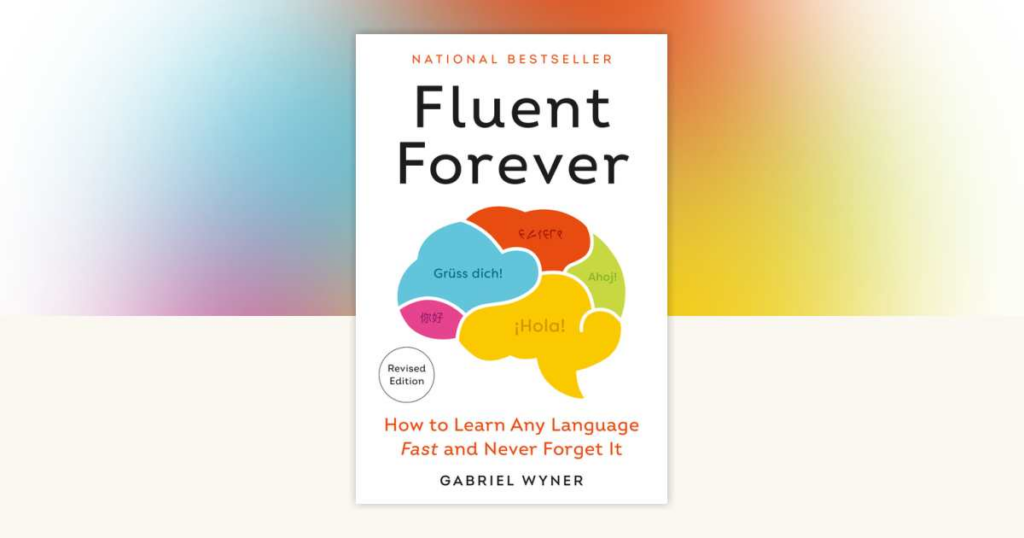

Chapter 6: The Journey to Fluency
Applying the Minto Principle to Chapter 6 of Fluent Forever, “The Journey to Fluency,” organizes the shift from theory to long-term practical application and habit maintenance.
The Introduction (SCQA)
- Situation: You have mastered the sounds, basic vocabulary, and grammar logic of your target language.
- Complication: The modern learner is overwhelmed by a staggering number of resources, leading to decision paralysis and eventually a loss of motivation.
- Question: How do you select the most efficient tools and ensure you stay motivated until you reach fluency?.
- Answer: You must commit to a specific, opinionated “tool kit” based on your budget and replace unreliable motivation with a robust, automated habit loop.
Pyramid Level 1: The Governing Thought
Sustainable progress toward fluency requires a structured selection of resources (Budget, Mid-level, or Luxury) coupled with a cue-driven habit system that removes the burden of willpower.
Pyramid Level 2: The Three Supporting Pillars
- Select a Curated Resource Path: Choose a specific tool kit to bypass decision paralysis and focus entirely on learning rather than micromanaging.
- Optimize Content Creation: Leverage native speaker tutors or AI (LLMs) to generate personalized sentences that maximize the “personal connection” level of processing.
- Automate Consistency via Habit Loops: Design a specific cue-routine-reward cycle to transform language study into an automatic behavior like brushing your teeth.
Pyramid Level 3: Practical Implementation
- The Tool Kit Tiers:
- Budget: Use Anki for flash cards, frequency dictionaries for content, and free language exchanges for practice.
- Mid-level: Use the Fluent Forever app for automated card creation and paid community tutors for personalized practice.
- Luxury: Hire tutors to perform your data entry (copy-pasting sentences into cards) and explore immersive environments like Virtual Reality.
- Habit Design:
- The Cue: Anchor your study to an existing daily routine, such as drinking your morning coffee.
- The Routine: Keep the daily requirement tiny (e.g., 2–5 minutes) to ensure automaticity during stressful periods.
- The Reward: Use immediate verbal celebrations to reinforce the habit loop in your brain.
- The Crisis Plan: When life disrupts your routine, “lower the bar” to just five reviews a day to keep the habit alive until you can catch up.
Does this hierarchy help you feel ready to choose a tool kit and start your habit? We can dive into Chapter 7 next to explore advanced fine-tuning, or we can look at the Appendix 6 list of utility phrases you’ll need for your first tutoring session!
