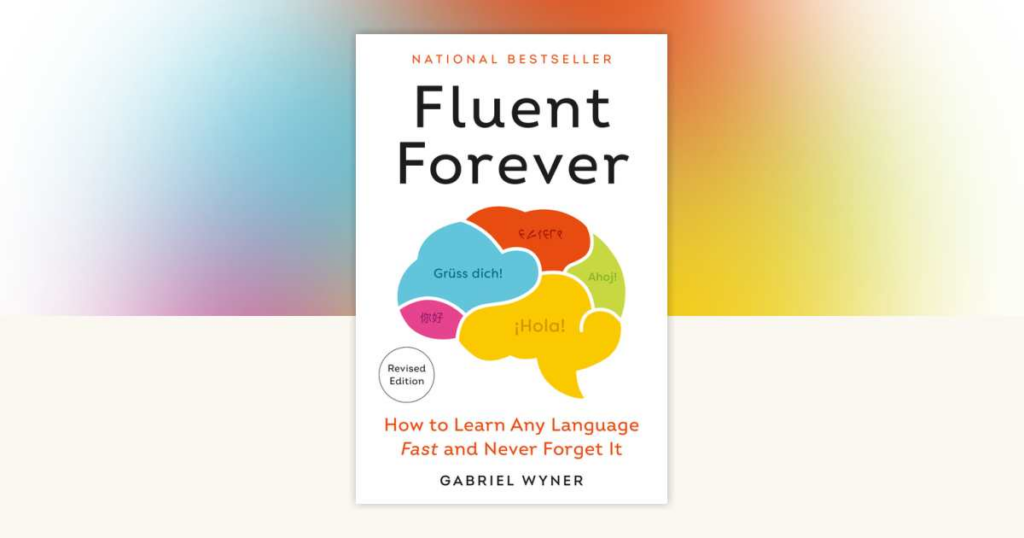

Chapter 2: Five Principles to End Forgetting
Applying the Minto Principle to Chapter 2 of Fluent Forever organizes the “Five Principles to End Forgetting” into a logical hierarchy centered on memory efficiency.
SCQA (The Introduction)
- Situation: Forgetting is a formidable opponent that causes most new information to leak away within a day.
- Complication: Our instinct is to work harder through rote repetition, which is boring and ineffective for long-term storage.
- Question: How can you memorize thousands of words permanently with minimal effort?.
- Answer: You must use a Spaced Repetition System (SRS) built on five specific scientific principles of memory.
Pyramid Level 1: The Governing Thought
To eliminate forgetting, you must transform learning from passive review into active, timed retrieval that mirrors how neurons actually wire together.
Pyramid Level 2: The Three Supporting Pillars
- Deepen Neural Connections: Engaging the four “levels of processing”—structure, sound, concept, and personal connection—makes information 50 percent more memorable.
- Practice Active Retrieval: Acts of recall, rather than simple review, trigger a “chemical dance” of dopamine and hormones that lock data into long-term memory.
- Optimize Timing: Testing yourself right before you forget (the “Wait, wait! Don’t tell me!” moment) doubles the effectiveness of every test.
Pyramid Level 3: Practical Implementation
- Leverage Technology: Use automated tools like Anki or the Fluent Forever app to handle the complex scheduling of reviews.
- Personalized Creation: Create your own flashcards using your own images and stories to ensure the content bypasses your brain’s natural filters.
- Use Feedback: When you do forget, use immediate feedback to “rewrite the past” and resuscitate the memory.
Does this structural breakdown of Chapter 2 help you see how the memory system works? We can move on to Chapter 3 to see how to apply this to the sound system of your language, or would you like to discuss the specifics of a Leitner box?
