
Book Outline
Chapter 1
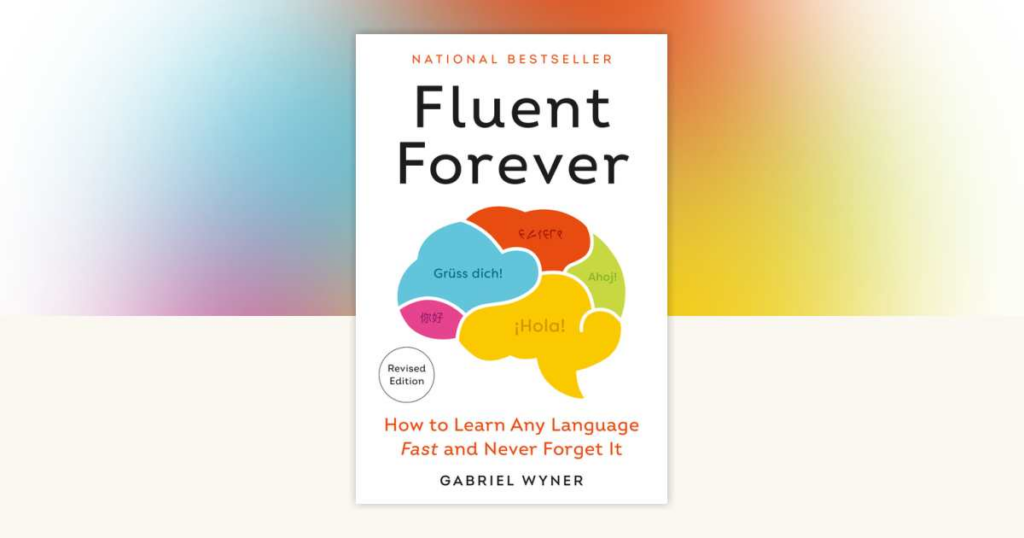
The Minto Principle structures information into a pyramid, starting with the core conclusion followed by supporting logical groups. Here is how Chapter 1 of Fluent Forever breaks down using this model:
The Introduction (SCQA)
- Situation: Language learning is a “sport” where the ultimate goal is automaticity—speaking without thinking about rules.
- Complication: Standard methods (word lists and translation) are boring and ineffective, causing information to “leak out of our ears”.
- Question: How can a busy person achieve fluency efficiently and permanently?.
- Answer: You must use a brain-friendly system built on three specific “keys” to language learning.
Pyramid Level 1: The Governing Thought
To reach fluency in record time, you must move away from translation-based study and instead sync your learning with the scientific reality of how the brain memorizes.
Pyramid Level 2: The Three Supporting Pillars
- Prioritize Pronunciation: Train your ears and mouth first to attune your brain to the new sounds, which accelerates vocabulary acquisition and prevents “broken words”.
- Abolish Translation: Force yourself to think in the target language by connecting words directly to images and concepts rather than English definitions.
- Automate Memory: Use a Spaced Repetition System (SRS) to schedule reviews right before you forget, driving data deep into long-term memory.
Pyramid Level 3: Practical Implementation
- Resource Selection: Gather “tools” like frequency dictionaries, grammar books with answer keys, and pronunciation guides.
- Personalization: Choose a language you love and create custom flashcards to ensure the process remains fun and engaging.
- Daily Habit: Dedicate a fixed amount of time daily (such as 30–45 minutes) to transform study into continuous improvement.
Does this structure help clarify the book’s roadmap for you? We could look at the specifics of the first key (pronunciation) or move on to Chapter 2 to see how the SRS actually stops forgetting. Which would you prefer?
