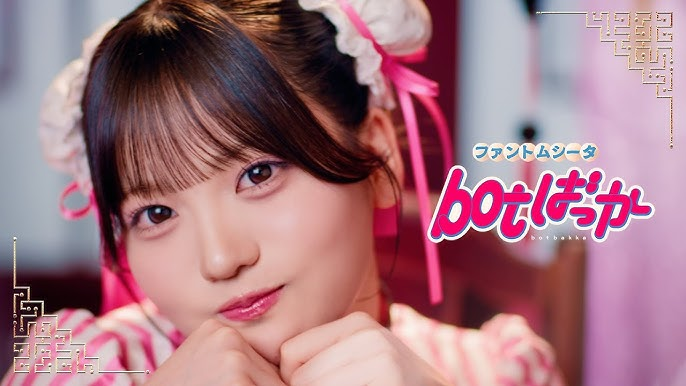

[ファントムシータ「botばっか」歌詞]
[Verse 1: もな, 凛花]
一目で射止めて×射止めて(いとめて) Meaning: To win someone's heart; to captivate. Literally, it means 'to shoot and hit a target'. Grammar: - This is the te-form of the verb 射止める (itomeru). - The te-form is used here to link two actions: 'captivating at first sight' and 'becoming completely hooked'. - It is a compound verb made of 射る (iru - to shoot) and 止める (tomeru - to secure). Usage: Commonly used in romantic contexts to describe winning someone's affection. It can also be used for winning a prize or position. Examples: 彼は彼女の心を射止めた。 He won her heart. 多くの困難を乗り越え、彼はその賞を射止めた。 Overcoming many difficulties, he won that prize. Register/Formality: Neutral, can sound a bit literary or dramatic.すっかりトリコ
的確×的確(てきかく) Meaning: Precise; accurate; appropriate; on point. Grammar: - A na-adjective. - Can modify a noun directly, as in '的確輪郭' (precise outline), or with な, e.g., '的確な判断' (an appropriate judgment). - Can be used as an adverb with に, e.g., '的確に答える' (to answer accurately). Usage: Describes something that is perfectly suited, accurate, or 'hits the mark' for a specific situation. Examples: 彼のコメントは的確だった。 His comment was on point. 医者は患者の病状を的確に診断した。 The doctor accurately diagnosed the patient's condition. Register/Formality: Neutral to formal. Common in professional and analytical contexts.輪郭×輪郭(りんかく) Meaning: Outline; contour; silhouette; profile. Grammar: - A noun. Usage: Refers to the line that defines the shape of something, such as a face, a body, or an object against a background. It can also be used metaphorically for the general outline of a concept or event. Examples: 夕日に照らされて、建物の輪郭がはっきりと見えた。 The building's silhouette was clearly visible in the sunset. 話の輪郭はつかめましたが、詳細はまだ分かりません。 I've grasped the general outline of the story, but I don't know the details yet. Register/Formality: Neutral.大層美×大層美(たいそうび) Meaning: Immense beauty; great beauty. This is a non-standard, poetic word. Grammar: - A compound noun created for lyrical effect. - It is a combination of two words: - 大層 (taisou): An adverb meaning 'very', 'exceedingly', or 'greatly'. It is somewhat formal or old-fashioned. - 美 (bi): A noun meaning 'beauty'. - Structure: The adverb 'taisou' is combined directly with the noun 'bi' to create a new noun meaning 'great beauty'. Usage: This word is not used in everyday Japanese. It is a creative expression found in contexts like song lyrics or poetry to convey a powerful sense of beauty. Examples: (This word is non-standard, so examples show its components) 祖父はその知らせを聞いて大層喜んだ。 My grandfather was greatly pleased to hear that news. 自然の美に感動した。 I was moved by the beauty of nature. Register/Formality: Poetic / Literary.でしょう
好きです好物×好物(こうぶつ)
Meaning:
Favorite food; a particular food that someone is very fond of.
Grammar:
- A noun.
Usage:
Used to refer to a person's favorite food item. It has a slightly more specific and affectionate nuance than the more general phrase '好きな食べ物' (sukina tabemono).
Examples:
私の好物はラーメンです。
My favorite food is ramen.
彼の好物だと知っていたので、お土産にケーキを買ってきた。
Knowing it was his favorite food, I bought a cake as a souvenir.
Register/Formality: Neutralです
Love 愛 アルティメット
[Verse 2: 百花, 美雨, もな]
願わくば×願わくば(ねがわくば)
Meaning:
Hopefully; I wish that; if I may wish. A formal or literary expression to state a strong desire.
Grammar:
- An adverbial phrase derived from the verb '願う' (negau - to wish).
- It is the classical conditional form ('-aku ba') of the verb.
Usage:
Used at the beginning of a sentence to introduce a heartfelt wish, often for something significant or difficult to achieve.
Examples:
願わくば、試験に合格しますように。
Hopefully, I will pass the exam.
願わくば、もう一度あの頃に戻りたい。
If I could have one wish, I would want to go back to those days again.
Register/Formality: Formal and somewhat literary.
早急に×早急に(そうきゅうに)
Meaning:
Immediately; promptly; as soon as possible.
Grammar:
- An adverb.
- Formed from the na-adjective '早急' (sōkyū - urgent) plus the particle 'に' (ni), which turns it into an adverb.
Usage:
Often used in business or formal situations to express urgency. It is a stronger and more formal word than 'すぐに' (sugu ni).
Examples:
早急に返信をお願いします。
Please reply as soon as possible.
この問題は早急に解決しなければならない。
This problem must be solved immediately.
Register/Formality: Formal早急に早急に始まりたい
ありふれてる×ありふれてる(ありふれてる)
Meaning:
Commonplace; ordinary; run-of-the-mill.
Grammar:
- The casual, spoken form of the verb 'ありふれている' (arifureteiru).
- It is a verb in the present continuous (-te iru) form.
Usage:
Describes something that is so common it has become uninteresting or unoriginal. It can carry a slightly negative nuance.
Examples:
それはありふれてるデザインだね。
That's a pretty commonplace design, isn't it?
彼の言い訳はいつもありふれていて、誰も信じない。
His excuses are always so ordinary that nobody believes them.
Register/Formality: Casual/Informal. The polite form is 'ありふれています' (arifureteimasu).
平凡な×平凡な(へいぼんな)
Meaning:
Ordinary; common; mundane; average.
Grammar:
- A na-adjective.
- It modifies nouns by placing 'な' after it (e.g., '平凡な生活' - an ordinary life).
Usage:
Used to describe people, things, or situations that are average and do not have any special qualities. It is generally a neutral term.
Examples:
私は平凡な一日を過ごした。
I spent an ordinary day.
彼は平凡な人生に満足している。
He is satisfied with his mundane life.
Register/Formality: Neutral平凡な平凡な感情×感情(かんじょう)
Meaning:
Emotion; feeling; sentiment.
Grammar:
- A noun.
Usage:
A general term for emotions such as happiness, anger, or sadness. It is often used in a more objective sense compared to '気持ち' (kimochi), which can refer to a more personal or temporary feeling.
Examples:
彼は感情をあまり見せない人だ。
He is a person who doesn't show much emotion.
その歌は聞く人の感情に強く訴える。
That song strongly appeals to the emotions of those who listen.
Register/Formality: Neutralが欲しいな
絵空事×絵空事(えそらごと)
Meaning:
A pipe dream; a fantasy; an unrealistic plan; a fiction.
Grammar:
- A noun.
- The kanji literally mean 'picture-empty-thing'.
Usage:
Refers to an idea or plan that is completely unrealistic and exists only in the imagination, like a drawing of something that isn't real. It has a strong nuance of being impractical or impossible.
Examples:
彼の計画は絵空事のようだ。
His plan seems like a pipe dream.
世界征服なんて、アニメの中の絵空事だ。
World domination is just a fantasy found in anime.
Register/Formality: Neutralじゃ
何回も何回も何回もロンリー without you
[Pre-Chorus: 百花, 美雨]
でも実態ない×実態ない(じったいない)
Meaning:
Lacks substance; is not real; has no actual form.
Grammar:
- 実態 (jittai): A noun meaning 'reality', 'actual condition', or 'substance'.
- ない (nai): An adjective meaning 'non-existent' or 'to not have'.
- The particle 'が' (ga) is often omitted between the noun and 'ない' in casual speech and song lyrics, so '実態がない' becomes '実態ない'.
Usage:
Used to describe something that appears to exist but has no real or tangible form, like an illusion, a front, or an empty promise.
Examples:
その計画は聞こえはいいが、実態ないものだった。
The plan sounded good, but it was something with no real substance.
彼の権力は実態ない。
His power is an illusion.
Register/Formality: Informal/Colloquial (due to the omitted particle).よ実際×実際(じっさい)
Meaning:
In reality; actually; in fact.
Grammar:
- A noun that can also function as an adverb.
Usage:
Used to state what is true or real, often contrasting with appearances, assumptions, or theories. It is similar to 'actually' or 'in fact' in English.
Examples:
彼は強そうに見えるが、実際はとても優しい人だ。
He looks strong, but in reality, he is a very kind person.
理論では簡単そうだったが、実際やってみると難しかった。
It seemed easy in theory, but when I actually tried it, it was difficult.
Register/Formality: Neutral. Can be used in both formal and informal contexts.
いっさいがっさい×いっさいがっさい(いっさいがっさい)
Meaning:
Each and every thing; lock, stock, and barrel; all of it.
Grammar:
- A four-character idiomatic expression (yojijukugo) that functions as an adverb. It is an emphatic way of saying 'everything' (全部 - zenbu).
Usage:
This is a colloquial and emphatic phrase used to mean 'absolutely everything' without exception. It often implies clearing things out completely.
Examples:
部屋のものをいっさいがっさい捨てた。
I threw out absolutely everything in the room.
彼は財産をいっさいがっさい失った。
He lost his entire fortune, lock, stock, and barrel.
Register/Formality: Informal/Colloquial.擬態×擬態(ぎたい)
Meaning:
Mimicry; camouflage.
Grammar:
- A noun. It can also be used as a verb with 'する' (擬態する - gitai suru - to mimic/camouflage).
Usage:
Primarily used in a biological context for animals blending in with their surroundings. Metaphorically, it can refer to a person pretending to be something they are not, hiding their true nature. In the context of the lyric '実態ない' (lacks substance), it suggests that everything is just an act or a disguise.
Examples:
虫の中には、木の葉に擬態するものがいる。
Among insects, there are some that mimic tree leaves.
彼の笑顔は、本当の気持ちを隠すための擬態だった。
His smile was a disguise to hide his true feelings.
Register/Formality: Neutral.
Zoku, zoku 天国
どこにあんだってば×どこにあんだってば(どこにあんだってば)
Meaning:
Where the heck is it?!; I said, where is it?!
Grammar:
- どこに (doko ni): 'at where'
- あるんだ (arun da): The explanatory form of the verb 'ある' (aru - to exist). It is colloquially contracted to 'あんだ' (an da).
- ってば (tteba): A sentence-ending particle used to show impatience or frustration, often when repeating a question or command that is being ignored.
Structure: This is a very colloquial and forceful way to ask a question.
Usage:
Used when the speaker is annoyed because they have already asked 'Where is it?' and haven't received a satisfactory answer. It carries a strong sense of impatience.
Examples:
「僕の携帯どこ?」「知らないよ」「どこにあんだってば!早く探して!」
('Where's my phone?' 'I don't know.' 'I said, where is it?! Find it, quickly!')
もう約束の時間だよ。店はどこにあんだってば!
(It's already time for our appointment. Where the heck is the shop?!)
Register/Formality: Very Informal/Colloquial. Can sound rude or childish depending on the context.
[Chorus: 全員, 凛花, 百花, もな]
あちこち bot ばっか bot ばっかつらい×つらい(つらい)
Meaning:
Painful; difficult; tough; heartbreaking.
Grammar:
- An i-adjective.
Usage:
Used to describe a condition of physical or, more commonly, emotional hardship or suffering. It conveys a sense of difficulty that weighs heavily on a person.
Examples:
一人でいるのはつらいです。
It's painful to be alone.
彼にとって、その決断を下すのはつらい経験だった。
For him, making that decision was a painful experience.
Register/Formality: Neutralつらい
まやかし×まやかし(まやかし)
Meaning:
Deception; illusion; fake; sham.
Grammar:
- A noun.
Usage:
Refers to something that is meant to deceive or mislead, something that is not genuine. It often implies a trick or an illusion.
Examples:
その笑顔はまやかしだった。
That smile was a deception.
彼は言葉巧みなまやかしで人々を騙した。
He deceived people with his clever illusions.
Register/Formality: Neutral蹴っ飛ばし×蹴っ飛ばし(けっとばし)
Meaning:
To kick away; to kick aside.
Grammar:
- The stem form (連用形) of the verb '蹴っ飛ばす' (kettobasu).
- In song lyrics, the stem form is often used to connect actions or to create a punchy, command-like feeling.
Usage:
A strong, informal verb for kicking something forcefully. It is used here metaphorically to mean 'to reject' or 'get rid of' deception.
Examples:
彼はドアを蹴っ飛ばして開けた。
He kicked the door open.
古いルールなんて蹴っ飛ばしてしまえ。
Just kick away (ignore) the old rules.
Register/Formality: Informal and forceful純愛×純愛(じゅんあい)
Meaning:
Pure love.
Grammar:
- A noun.
Usage:
Refers to a sincere, selfless, and often idealized love that is free from ulterior motives or selfish desires.
Examples:
これは高校生の純愛についての物語だ。
This is a story about the pure love of high school students.
彼らは困難を乗り越えて純愛を貫いた。
They overcame hardships and stayed true to their pure love.
Register/Formality: Neutral, often found in stories, songs, and poems.頂戴×頂戴(ちょうだい)
Meaning:
Give me; please give.
Grammar:
- A colloquial request word, often used in place of 'ください' (kudasai).
Usage:
An informal way to ask for something. It is often used by women or children but can be used by anyone in casual conversation. It feels softer and more personal than 'kudasai'.
Examples:
そのクッキーを一つ頂戴。
Give me one of those cookies.
もう少しヒントを頂戴!
Give me another hint!
Register/Formality: Informal
どっちみち×どっちみち(どっちみち)
Meaning:
In any case; either way; anyway.
Grammar:
- An adverb.
Usage:
A colloquial term used to express that the result will be the same regardless of the choice made or the path taken.
Examples:
今から行っても、どっちみち間に合わないよ。
Even if we leave now, we won't make it in time anyway.
反対しても、どっちみち計画は進むだろう。
Even if I object, the plan will probably move forward in any case.
Register/Formality: Informal/Colloquial bot ばっか bot ばっかぐわんぐわん×ぐわんぐわん(ぐわんぐわん)
Meaning:
Describes a strong, violent spinning, shaking, or throbbing sensation.
Grammar:
- An onomatopoeic or mimetic adverb.
Usage:
Used to describe a disorienting feeling, like one's head spinning, or a loud, reverberating sound, like a large bell.
Examples:
お酒を飲みすぎて頭がぐわんぐわんする。
I drank too much and now my head is spinning.
事故の衝撃で、視界がぐわんぐわんと揺れた。
Due to the impact of the accident, my vision shook violently.
Register/Formality: Informal/Colloquial
どっくんどっくんハートビート狂った×狂った(くるった)
Meaning:
Went mad; went crazy; became disordered; malfunctioned.
Grammar:
- The past tense (ta-form) of the verb '狂う' (kuruu).
Usage:
Can refer to a person losing their sanity or, more commonly, to a plan, schedule, or machine going wrong or out of order. In this lyric, '狂った tonight' suggests a wild or chaotic night.
Examples:
その時計は狂っている。
That clock is wrong (not working right).
突然の知らせに、彼の計画はすっかり狂ってしまった。
His plans went completely awry with the sudden news.
Register/Formality: Neutral tonight
地獄の先で×地獄の先で(じごくのさきで)
Meaning:
Beyond hell; after going through hell.
Grammar:
- 地獄 (jigoku): hell (noun)
- の (no): possessive particle
- 先 (saki): beyond, ahead (noun)
- で (de): particle indicating place of action
Usage:
A phrase that describes a time or place after enduring an extremely difficult or painful experience. It implies having survived the worst and reached whatever comes next.
Examples:
長い戦いの先で、彼らは平和を見つけた。
They found peace beyond the long battle.
この地獄の先で、君と笑い合える日を信じている。
I believe in a day beyond this hell when I can laugh with you.
Register/Formality: Neutral, often with a literary or dramatic tone.
君に会えたら
いちごジャムかけてひとかじり×ひとかじり(ひとかじり)
Meaning:
A bite; a nibble.
Grammar:
- A noun composed of 'ひと' (hito, one) and 'かじり' (kajiri, a bite).
Usage:
Refers to the act of taking a single bite of something. It can be used literally for food or metaphorically for getting a small taste of an experience.
Examples:
彼はパンをひとかじりした。
He took a bite of the bread.
彼女は彼の作ったクッキーをひとかじりして微笑んだ。
She took a nibble of the cookie he made and smiled.
Register/Formality: Neutral
ちょっと痛かったね
[Verse 3: 美雨, 凛花, 百花, もな]
信頼×信頼(しんらい)
Meaning:
Trust; reliance; confidence.
Grammar:
- A noun. It can be combined with the verb する (suru) to form 信頼する (shinrai suru), which means 'to trust'.
Usage:
Used to express a firm belief in the reliability, truth, ability, or strength of someone or something. It implies a relationship or understanding built over time.
Examples:
彼との信頼関係は強い。
Our relationship of trust with him is strong.
私は彼の判断を完全に信頼しています。
I completely trust his judgment.
Register/Formality: Neutral to formal. Common in both everyday conversation and business contexts.失敗×失敗(しっぱい)
Meaning:
Failure; mistake; blunder.
Grammar:
- A noun. It can also be used as a suru-verb, 失敗する (shippai suru), meaning 'to fail' or 'to make a mistake'.
Usage:
A general-purpose word for an unsuccessful outcome, an error, or a mistake in any context, from a failed exam to a failed business plan.
Examples:
計画は失敗に終わった。
The plan ended in failure.
何度も失敗を繰り返して、ついに成功した。
After repeating failure many times, I finally succeeded.
Register/Formality: Neutral. Used in all situations.
失態×失態(しったい)
Meaning:
Blunder; mismanagement; disgrace; slip-up.
Grammar:
- A noun.
Usage:
Refers to a more serious or public failure than 失敗 (shippai). It often carries a strong nuance of incompetence, embarrassment, or bringing disgrace upon oneself or one's group.
Examples:
彼は会議で大きな失態を犯した。
He committed a major blunder at the meeting.
外交上の失態は、国際的な批判を招いた。
The diplomatic failure invited international criticism.
Register/Formality: Formal. Often used in news, business, or political contexts.
Nuance:
While 失敗 (shippai) is a general 'failure', 失態 (shittai) is a failure that causes a loss of face or reputation. It's a 'bad look' failure.コミュニケイション
ニンゲン失格×ニンゲン失格(にんげんしっかく)
Meaning:
Disqualified as a human; unfit to be human; no longer human.
Grammar:
- A noun phrase composed of ニンゲン (ningen - human being, in katakana for emphasis) and 失格 (shikkaku - disqualification).
Usage:
A very strong and dramatic expression used to condemn someone's morally reprehensible actions or to express profound self-loathing. It is not used in casual conversation.
Examples:
あんなひどいことをするなんて、人間失格だ。
To do such a terrible thing, you're not fit to be called human.
彼は罪悪感に苛まれ、自分を人間失格だと感じていた。
Tormented by guilt, he felt that he was disqualified as a human being.
Register/Formality: Informal, highly dramatic and literary.
Cultural Context:
This phrase is famously the title of Osamu Dazai's 1948 novel 'No Longer Human', which deals with themes of alienation, depression, and social anxiety. The phrase often evokes the dark, literary tone of the book.
いっぱい安心させてよ
一方通行×一方通行(いっぽうつうこう)
Meaning:
One-way traffic; a one-way street. Metaphorically, it means one-way communication.
Grammar:
- A noun phrase. It is composed of 一方 (ippō - one side/one way) and 通行 (tsūkō - passage/traffic).
Usage:
Used literally for roads. In conversation, it is very commonly used metaphorically to describe a relationship or discussion where communication only flows in one direction, with no listening or reciprocity.
Examples:
この道は一方通行です。
This street is one-way.
彼との会話はいつも一方通行で、私の意見は聞いてくれない。
Conversations with him are always one-way; he doesn't listen to my opinions.
Register/Formality: Neutral. Appropriate for most situations.
×カンバセイション
混沌×混沌(こんとん)
Meaning:
Chaos; confusion; disorder; pandemonium.
Grammar:
- A noun. Can be used with the な (na) particle to act as an adjective (混沌な状態 - a chaotic state) or with とする to act as an adverb (混沌としている - to be in a state of chaos).
Usage:
Refers to a state of complete disorder where things are jumbled together without any order. It has a slightly more literary or philosophical feel than the more common 混乱 (konran - confusion).
Examples:
彼の心の中は混沌としていた。
His mind was in a state of chaos.
大災害の後、街は混沌に陥った。
After the great disaster, the city fell into chaos.
Register/Formality: Neutral to slightly formal/literary. me 混沌 me
心にグッサリ×グッサリ(ぐっさり)
Meaning:
The sound or feeling of something being deeply pierced or stabbed.
Grammar:
- An adverb, specifically a gitaigo (mimetic word) that describes a state or action.
Usage:
Used to describe the action of stabbing something thick and deep. Metaphorically, it is very common for describing a deep emotional wound, such as from a cutting remark that 'stabs' the heart. The context '心にグッサリ' (gussari in the heart) confirms this metaphorical meaning.
Examples:
ナイフが胸にグッサリと刺さった。
The knife stabbed deep into his chest.
彼女の言葉が心にグッサリと突き刺さった。
Her words stabbed me deep in the heart.
Register/Formality: Informal and colloquial. kizu マーク
[Verse 4: 凛花, 百花, 美雨]
願わくば
So cute に so cute に so cute に始まりたい
健やかなる×健やかなる(すこやかなる)
Meaning:
Healthy; sound; vigorous. This is a literary or classical form.
Grammar:
- The attributive form ('rentaikei') of the classical adjective '健やかなり' (sukoyaka nari).
- It is the equivalent of the modern 'na'-adjective '健やかな' (sukoyaka na) and is used to modify nouns.
Usage:
This form is not common in everyday speech and lends a poetic, formal, or slightly archaic tone. It is often found in songs, formal greetings, or prayers.
Examples:
赤ちゃんの健やかなる成長を祈ります。
I pray for the baby's healthy growth.
皆様の健やかなる日々を心より願っております。
I sincerely wish for everyone's healthy days.
Register/Formality: Formal / Literary
健全な×健全な(けんぜんな)
Meaning:
Healthy; sound; wholesome. Often refers to mental, moral, or financial soundness, not just physical health.
Grammar:
- A standard 'na'-adjective. It modifies a noun by using 'な' between the adjective and the noun (e.g., 健全な生活 - a wholesome life).
Usage:
Used to describe something that is stable, sound, and morally upright. It can apply to a person's mind, a company's finances, or a child's development.
Examples:
彼は健全な考え方を持っている。
He has a sound way of thinking.
子供たちには健全な娯楽が必要です。
Children need wholesome entertainment.
Register/Formality: Neutral健全な健全な感情が欲しいな
枕元×枕元(まくらもと)
Meaning:
Bedside; near one's pillow.
Grammar:
- A compound noun made from '枕' (makura - pillow) and '元' (moto - base, beside).
Usage:
It specifically refers to the area right next to where a person sleeps, where one might place an alarm clock, phone, or book.
Examples:
枕元にスマートフォンを置いて寝た。
I slept with my smartphone by my bedside.
彼女は子供の枕元に座って物語を読んだ。
She sat at her child's bedside and read a story.
Register/Formality: Neutralで
永久に×永久に(えいきゅうに)
Meaning:
Eternally; forever; permanently.
Grammar:
- The noun '永久' (eikyuu - eternity, permanence) combined with the particle 'に' (ni), which allows it to function as an adverb.
Usage:
This word expresses a sense of perpetuity and has a strong, often dramatic or romantic, connotation. It is stronger than 'ずっと' (zutto - for a long time).
Examples:
この愛は永久に続きます。
This love will last forever.
彼の功績は永久に忘れられないだろう。
His achievements will likely never be forgotten.
Register/Formality: Neutral to Formal永久に永久にロンリー×ロンリー(ろんりー)
Meaning:
Lonely.
Grammar:
- A katakana loanword from the English word 'lonely'.
- It functions as a 'na'-adjective (e.g., ロンリーな夜 - a lonely night).
Usage:
Commonly used in pop culture, song lyrics, and casual speech. It can sometimes sound more modern or stylish than the native Japanese word '寂しい' (sabishii).
Examples:
今夜はロンリーな気分だ。
I'm feeling lonely tonight.
彼は仲間がいなくて、いつもロンリーだった。
He didn't have any friends and was always lonely.
Register/Formality: Casual / Informal without you
[Pre-Chorus: もな, 百花]
でも実態ない×実態ない(じったいない)
Meaning:
Lacks substance; is not real; has no actual form.
Grammar:
- 実態 (jittai): A noun meaning 'substance', 'reality', or 'actual condition'.
- ない (nai): An i-adjective meaning 'non-existent' or 'is not'.
- It functions as a predicate, stating that the subject lacks reality.
Usage:
Used to describe something that exists in name or theory only, but has no concrete or real form. It implies an absence of tangible proof or existence.
Examples:
その計画はまだ実態がない。
That plan has no substance yet.
彼の約束は口先だけで、実態のないものだった。
His promise was just words; it was something that lacked any real substance.
Register/Formality: Neutral to informal.よ実際×実際(じっさい)
Meaning:
In reality; actually; in fact.
Grammar:
- A noun that can also function as an adverb.
- When used as an adverb, it is often followed by the particle に (ni), as in 実際に (jissai ni), but can also be used on its own.
Usage:
This word is used to contrast a perceived or stated situation with the true state of affairs. It emphasizes what is real versus what is apparent.
Examples:
彼は強そうに見えるが、実際はとても優しい人だ。
He looks strong, but in reality, he is a very kind person.
理論上は可能でも、実際にやるのは難しい。
Even if it's possible in theory, actually doing it is difficult.
Register/Formality: Neutral. Used in both casual and formal contexts.
いっさいがっさい擬態×いっさいがっさい擬態(いっさいがっさいぎたい)
Meaning:
Absolutely everything is mimicry/camouflage.
Grammar:
- いっさいがっさい (issai gassai): A colloquial and emphatic set phrase meaning 'absolutely everything', 'lock, stock, and barrel'. It's a stronger form of 一切 (issai - all, everything).
- 擬態 (gitai): A noun meaning 'mimicry', 'camouflage', or 'mimesis'.
Usage:
This is a very strong, poetic, and informal phrase. 'Issai gassai' emphasizes a complete and total state. Combined with 'gitai', it creates a powerful image that everything, without exception, is a disguise or not what it seems.
Examples:
彼の話はいっさいがっさい嘘だった。
Absolutely everything he said was a lie.
昆虫は擬態して敵から身を守る。
Insects protect themselves from enemies by using camouflage.
Register/Formality: Informal and lyrical.
Zoku, zoku 天国
どこにあんだってば×どこにあんだってば(どこにあんだってば)
Meaning:
I said, where is it?!; Where the heck is it?!
Grammar:
- どこに (doko ni): 'Where at'.
- あんだ (anda): A colloquial contraction of あるんだ (arun da), which is the explanatory form of the verb ある (aru - to exist).
- ってば (tteba): A sentence-ending particle that expresses frustration, impatience, or strong insistence. It implies the speaker is repeating themselves because the listener isn't paying attention or responding.
Usage:
A very informal and emotionally charged phrase used to demand an answer out of frustration. It is not used in polite conversation and can sound aggressive, childish, or demanding depending on the context and tone.
Examples:
もう行くってば!
I said I'm going already!
私の携帯はどこにあんだってば?!
Where the heck is my phone?!
Register/Formality: Very Informal / Aggressive.
[Chorus: 全員, もな, 百花, 凛花]
あちこち×あちこち
Meaning:
Here and there; all over the place.
Grammar:
- An adverb used to describe movement or the state of things being scattered in various locations.
Usage:
Used for actions that are not directed at one specific place, or for describing a scattered state.
Examples:
休みの日はあちこち散歩します。
On my days off, I walk around here and there.
机の上には本があちこち置いてあった。
There were books lying all over the desk.
Register/Formality: Neutral, common in everyday conversation. bot ばっか bot ばっかつらい×つらい
Meaning:
Painful; difficult; tough; heartbreaking.
Grammar:
- An i-adjective.
Usage:
Describes a state of emotional or physical hardship and suffering. It's a subjective feeling of difficulty.
Examples:
この仕事は本当につらい。
This job is really tough.
愛する人と別れるのはつらい経験だ。
Breaking up with someone you love is a painful experience.
Nuance:
While '痛い' (itai) refers to direct physical pain like a cut, 'つらい' refers to a deeper suffering or hardship, which can be physical (like a long illness) or emotional (like loneliness).
Register/Formality: Neutral. Can be used in both polite (つらいです) and plain forms.つらい
幻×幻(まぼろし)
Meaning:
Illusion; phantom; mirage; vision.
Grammar:
- A noun.
Usage:
Refers to something that seems real but is not, or something so rare it's almost unreal. It has a literary or fantastical feel.
Examples:
砂漠で幻を見た。
I saw a mirage in the desert.
その限定品はすぐに売り切れて、今では幻のアイテムだ。
That limited edition item sold out immediately and is now a 'phantom' item.
Register/Formality: Neutral, but often used in writing, songs, or dramatic speech.すっ飛ばし×すっ飛ばし(すっとばし)
Meaning:
Skipping over; blasting through; sending something flying.
Grammar:
- The stem form (連用形 - ren'youkei) of the verb 'すっ飛ばす' (suttobasu), used here to connect to the next phrase.
Usage:
An informal and emphatic verb. The 'すっ' prefix adds emphasis of speed or force to '飛ばす' (tobasu - to fly, to skip).
Examples:
彼は説明の面倒な部分をすっ飛ばした。
He skipped over the troublesome parts of the explanation.
彼は自転車をすっ飛ばして学校に急いだ。
He raced to school, blasting along on his bike.
Register/Formality: Very Informal.純愛到来×純愛到来(じゅんあいとうらい)
Meaning:
The arrival of pure love.
Grammar:
- A compound noun phrase.
- 純愛 (jun'ai): pure love
- 到来 (tourai): arrival, advent
Usage:
A literary or dramatic phrase used to describe the beginning of a true, innocent love. It is not common in everyday conversation.
Examples:
物語は、主人公の純愛到来で幕を開ける。
The story begins with the arrival of pure love for the main character.
多くの少女漫画が純愛到来のテーマを扱っている。
Many shoujo manga deal with the theme of the arrival of pure love.
Register/Formality: Formal / Literary.
どっちみち bot ばっか bot ばっかぐわんぐわん×ぐわんぐわん
Meaning:
A sound or feeling of something large shaking, spinning, or echoing powerfully.
Grammar:
- An onomatopoeic/mimetic adverb.
Usage:
Describes a heavy, disorienting spinning sensation (like dizziness) or a deep, reverberating sound (like a large bell).
Examples:
めまいで頭がぐわんぐわんする。
My head is spinning from dizziness.
お寺の鐘がぐわんぐわんと鳴り響いた。
The temple bell rang out with a deep, reverberating sound.
Register/Formality: Informal.
ごっくんごっくん×ごっくんごっくん
Meaning:
The sound of gulping or swallowing repeatedly.
Grammar:
- An onomatopoeic/mimetic adverb.
Usage:
Describes the sound of drinking something, usually quickly or in large amounts. 'ごっくん' is a single gulp.
Examples:
彼は喉が渇いていたので、水をごっくんごっくんと飲んだ。
He was thirsty, so he gulped down the water.
赤ちゃんが美味しそうにミルクをごっくんごっくん飲んでいる。
The baby is gulping down the milk with relish.
Register/Formality: Informal.首元吸いたい×首元吸いたい(くびもとすいたい)
Meaning:
I want to suck (your) neck.
Grammar:
- A phrase combining a noun and a verb.
- 首元 (kubimoto): Noun meaning 'the area around the neck'.
- 吸いたい (suitai): The 'tai' (desire) form of the verb 吸う (suu), meaning 'to suck' or 'to inhale'.
Usage:
A very direct, intimate, and passionate expression. Rarely used in normal conversation, it is more common in song lyrics, fiction, or manga.
Examples:
彼の「君の首元吸いたい」という歌詞はとても情熱的だ。
His lyric 'I want to suck your neck' is very passionate.
吸血鬼は美しい女性の首元を吸いたいと思った。
The vampire wanted to suck the beautiful woman's neck.
Register/Formality: Very Informal / Intimate. sweet time
今際の際で×今際の際で(いまわのきわで)
Meaning:
On one's deathbed; at the very moment of death.
Grammar:
- A set literary phrase.
- 今際 (imawa): moment of death
- の: possessive particle
- 際 (kiwa): brink, edge
- で: particle indicating place/time
Usage:
A very formal and literary expression for the final moments of life.
Examples:
祖父は今際の際で、家族に感謝を伝えた。
My grandfather expressed his gratitude to his family on his deathbed.
彼は今際の際で穏やかな顔をしていた。
He had a peaceful expression at the moment of his death.
Register/Formality: Very Formal / Literary.
君が踊れば×君が踊れば(きみがおどれば)
Meaning:
If you dance.
Grammar:
- A conditional clause.
- 君 (kimi): 'you' (informal).
- が: subject particle.
- 踊れば (odoreba): The conditional '-eba' form of the verb 踊る (odoru), 'to dance'.
Usage:
Sets up a condition, which is then followed by a result. For example, 'If you dance, I will be happy'.
Examples:
君が踊れば、パーティーはもっと楽しくなる。
If you dance, the party will be more fun.
君が踊れば、みんなの注目を集めるだろう。
If you dance, you'll probably get everyone's attention.
Register/Formality: Informal.
わらび餅の海×わらび餅の海(わらびもちのうみ)
Meaning:
A sea of warabimochi (bracken-starch dumpling).
Grammar:
- A noun phrase.
- わらび餅 (warabimochi): A type of traditional Japanese sweet.
- の: possessive particle.
- 海 (umi): sea, ocean.
Usage:
A fantastical, metaphorical expression used to imagine a huge, endless amount of warabimochi.
Examples:
甘いものが好きすぎて、わらび餅の海で泳ぐ夢を見た。
I love sweets so much that I dreamed of swimming in a sea of warabimochi.
そのデザートビュッフェは、まるでわらび餅の海のようだった。
That dessert buffet was like a sea of warabimochi.
Cultural Context:
Warabimochi is a popular jelly-like Japanese sweet, often eaten in the summer. The image evokes a sense of sweet, jiggly, and pleasant abundance.
Register/Formality: Creative / Literary.で溺れて×溺れて(おぼれて)
Meaning:
Drowning; to be drowning (in).
Grammar:
- The te-form of the verb 溺れる (oboreru), used to connect clauses.
Usage:
Can be used literally for drowning in water, or metaphorically for being completely absorbed or overwhelmed by something, such as love, work, or debt.
Examples:
彼は海で溺れそうになった。
He almost drowned in the sea.
彼女は彼の愛に溺れていた。
She was drowning in his love.
Register/Formality: Neutral.
ちょっぴり苦しい×ちょっぴり苦しい(ちょっぴりくるしい)
Meaning:
A little bit painful; slightly difficult/tight.
Grammar:
- Adverb + i-adjective.
- ちょっぴり (choppiri): a little bit (colloquial).
- 苦しい (kurushii): painful, difficult, suffocating.
Usage:
A colloquial and somewhat cute way to express a mild degree of pain, suffering, or physical tightness.
Examples:
食べ過ぎてお腹がちょっぴり苦しい。
I ate too much and my stomach feels a little bit tight.
本当のことを言えないのは、ちょっぴり苦しい。
It's a little bit painful not being able to tell the truth.
Alternatives:
'少し苦しい' (sukoshi kurushii) is a more standard and neutral way to express the same meaning. 'ちょっぴり' is more informal and lighthearted.
Register/Formality: Informal.ね
[Instrumental]
[Chorus]
あちこち bot ばっか bot ばっかつらいつらい
まやかし蹴っ飛ばし純愛頂戴×頂戴(ちょうだい)
Meaning:
'Please give me' or 'I'll take it'. This is a very colloquial and informal way to ask for something. It can sound a bit demanding, childish, or cute depending on the context.
Grammar:
- This is the imperative (command) form of the humble verb 'itadaku' (to receive).
- It is used at the end of a phrase to make a request.
Usage:
Commonly used in informal speech, especially by children or between close friends. In the lyric '純愛頂戴' (jun'ai chōdai), it's a strong demand: 'Give me pure love!'. A more polite alternative is 'kudasai'.
Examples:
そのりんごを一つ頂戴。
Give me one of those apples.
あなたの時間を少し頂戴。
Give me a little of your time.
Register/Formality: Informal.
どっちみち bot ばっか bot ばっかぐわんぐわん
どっくんどっくん×どっくんどっくん
Meaning:
Thump-thump; throb-throb. This is an onomatopoeia for the sound of a heart beating strongly and rapidly.
Grammar:
- This is a mimetic word (gitaigo) that functions as an adverb.
- It is often used with the verb 'suru' (to do) as 'dokkun dokkun suru' (to throb) or with the particle 'to'.
Usage:
Describes a fast heartbeat caused by excitement, love, fear, or physical exertion. It emphasizes the intensity of the heartbeat.
Examples:
緊張で心臓がどっくんどっくんした。
My heart was pounding from nervousness.
彼の声を聞くだけで、胸がどっくんどっくんする。
Just hearing his voice makes my heart race.
Register/Formality: Colloquial and informal.ハートビート狂った×ハートビート狂った(はーとびーとくるった)
Meaning:
(My) heartbeat went crazy; (My) heartbeat went wild.
Grammar:
- ハートビート (hāto bīto): A loanword from the English 'heartbeat'.
- 狂った (kurutta): The past tense (Ta-form) of the verb 'kuruu', meaning 'to go mad', 'to go crazy', or 'to be out of order'.
Structure: This phrase combines a noun (heartbeat) with a past-tense verb (went crazy) to describe a state.
Usage:
A dramatic and expressive phrase used in casual contexts or lyrics to describe an erratic or intensely fast heartbeat, usually caused by a strong emotional shock or stimulus.
Examples:
彼女を見て、僕のハートビートは狂った。
When I saw her, my heartbeat went crazy.
そのニュースを聞いて、彼のハートビートが狂った。
His heartbeat went wild when he heard that news.
Register/Formality: Very informal and expressive. tonight
地獄の先で×地獄の先で(じごくのさきで)
Meaning:
Beyond hell; at the end of hell.
Grammar:
- 地獄 (jigoku): Noun for 'hell'.
- の (no): Possessive particle connecting the two nouns.
- 先 (saki): Noun meaning 'ahead', 'beyond', or 'the end of'.
- で (de): Particle indicating the location of an action.
Structure: The phrase follows the pattern (Noun 1 + の + Noun 2 + で), meaning 'at/in (Noun 2) of (Noun 1)'.
Usage:
A strong, metaphorical expression. It refers to a time or place reached only after enduring an extremely difficult, painful, or 'hellish' experience. It implies survival and reaching what comes after the worst is over.
Examples:
地獄の先で、やっと平和を見つけた。
Beyond hell, I finally found peace.
私たちは地獄の先でまた会おうと約束した。
We promised to meet again beyond hell.
Register/Formality: Literary/Expressive. Suitable for various contexts but carries a heavy, dramatic nuance.
君に会えたら
いちごジャムかけてひとかじり×ひとかじり
Meaning:
One bite; a nibble.
Grammar:
- A compound noun made from 'hito' (one, from 'hitotsu') and 'kajiri' (a bite), which is the noun form of the verb 'kajiru' (to bite, gnaw, or nibble).
- It can be used with the verb 'suru' (to do) to mean 'to take a bite', as in 'hitokajiri suru'.
Usage:
Refers to the action of taking a single bite of something, usually food. In the context of the lyrics, it's used metaphorically and can imply a playful, aggressive, or sensual act.
Examples:
クッキーをひとかじりした。
I took a bite of the cookie.
そのパン、ひとかじりさせてくれない?
Can you let me have a bite of that bread?
Register/Formality: Neutral, common in everyday speech.
ちょっと痛かったね
JLPT N3 Study Guide: “botばっか” (Bot Bakka) by Phantom Siita
1. Title and Orientation
This study guide supports JLPT N3 learners (intermediate Japanese) in analyzing the song “botばっか” (Bot Bakka) by Phantom Siita (ファントムシータ). The intended reader is comfortable with basic kanji and grammar but needs support with rapid-fire colloquialisms, repetitive onomatopoeia, and the specific “retro-horror” aesthetic vocabulary characteristic of this group produced by Ado.
Proficiency Prerequisites:
Students should have completed JLPT N4 or equivalent before attempting this material. Specifically, you should be comfortable with:
- Causal/Explanatory forms: (~んだ / ~のです)
- Volitional form: (~たい / ~よう)
- Imperative/Request forms: (~て / ~ちょうだい)
- Approximately 350 kanji (N5 + N4 levels)
- Distinguishing between transitive and intransitive verbs
How to Use This Guide:
- Complete Pre-Listening Activities (Section 3)
- Do Active Listening Tasks (Section 4) with the audio
- Study Line-by-Line Commentary (Section 5) with lyrics and audio
- Review Slang Glossary and Grammar Appendix (Sections 6-7)
- Complete Practice Set (Section 8)
- Do Production Activities (Section 9)
- Follow Next Steps (Section 10)
Important: This song is fast. It is best used to practice listening processing speed and casual contractions, rather than learning standard textbook sentence structures.
2. Full Lyrics Display
Thematic Summary:
The lyrics explore themes of digital alienation and the search for genuine human connection in a world full of “bots” (fake or automated personalities). The song uses a “Yandere” (obsessive love) tone, mixing cute imagery (strawberry jam, sweets) with violent or unsettling metaphors (kicking, drowning, “eating” the other person).
Key structural elements include:
- Verses 1 & 2: Introduction of the obsession and desire for connection.
- Pre-Chorus: Frustration with the “fake” reality.
- Chorus: High-tempo expression of frustration (“bot bakka”) and violent affection.
- Verse 3: Literary references and deepening chaos.
- Verse 4: A reprise of Verse 2 with a clever pun (Soukyuu vs. So cute).
Audio Integration Note:
- Audio source: Official MV on YouTube (Search: ファントムシータ – botばっか)
- Total song length: Approx. 3:00
- Recommended listening approach:
- First listen: Focus on the rhythm and the repetitive “bot bakka” phrase.
- Second listen: Try to catch the “pun” in Verse 4 vs Verse 2.
- Third+ listens: Focus on the speed of the chorus.
Tempo and Difficulty Rating:
- Tempo: Fast (130+ BPM) with rapid-fire lyrics.
- Pronunciation clarity: Challenging (stylized, fast, overlapping vocals).
- Vocabulary level: Mix of N3-N2 (contains specific literary and psychological terms).
- Cultural reference density: Moderate (Internet culture, literary references).
- Overall difficulty: Advanced N3 / N2 boundary.
3. Pre-Listening Activities
Before You Listen: Preparation Activities
Vocabulary Preview
Familiarize yourself with these key terms:
- 輪郭 (りんかく): Outline / Contour / Silhouette.
- 擬態 (ぎたい): Mimicry / Camouflage (pretending to be something else).
- 混沌 (こんとん): Chaos / Confusion.
- 平凡 (へいぼん): Ordinary / Common / Mediocre.
- 射止める (いとめる): To shoot dead / To win (someone’s heart).
- 今際 (いまわ): The moment of death / One’s last moments.
Thematic Warm-up Questions
- Do you ever feel like people on social media are “fake” or acting like robots?
- How would you describe the difference between “liking” someone and being “obsessed” with them?
- Have you heard of the Japanese concept of “Yandere” (obsessive/scary love)?
Grammar Alert
Watch for these patterns:
- ~ばっか: A casual contraction of ばかり (only/nothing but).
- ~頂戴 (ちょうだい): A somewhat childish or demanding way to say “Please give me” or “Do this for me.”
- Noun + った: Contractions of ~という (e.g., あんだ = あるんだ).
First Listening Goals
- Identify the mood: Is it purely happy, or is there something creepy?
- Catch the phrase “botばっか” (Bot bakka) in the chorus.
- Listen for English words mixed in (Love, Ultimate, Communication).
4. Active Listening Tasks
Listening 1: Global Comprehension
- Mood: Circle one: Happy / Sad / Chaotic & Creepy / Relaxed
- Speed: Circle one: Slow / Moderate / Fast
- English Words: Write two you hear: (e.g., Love, Ultimate, Communication, Conversation, Tonight)
- Voices: Several female voices (Group).
Listening 2: Targeted Information (Gap-fill)
Fill in the missing words (Hiragana/Katakana focus):
[Chorus]
あちこち bot _ bot つらいつらい
まやかし蹴っ飛ばし _ 頂戴
[Verse 2 vs Verse 4]
(Verse 2) _ に に に始まりたい (Verse 4) に に _ に始まりたい
Hint: Verse 2 and 4 sound very similar but have different meanings!
Listening 3: Detailed Analysis
Proceed to Section 5 to analyze the full meaning.
5. Line-by-Line Commentary
Verse 1: もな, 凛花
一目で射止めてすっかりトリコ
- Translation: “Captured at first glance, completely a prisoner (captive).”
- Literal: “One glance / shoot and kill (win heart) / completely / prisoner.”
- Grammar note: 射止めて (いとめて) is the te-form of 射止める (to shoot/win). トリコ (虜) means prisoner/captive, but in romance, it means “smitten” or “captivated.”
- Pronunciation: “Ichimoku” is often read “Hitome” in “Hitomebore” (love at first sight), but here the rhythm emphasizes the sharp sounds.
的確輪郭大層美でしょう
- Translation: “Accurate contours, surely very beautiful.”
- Literal: “Precise / outline / extremely / beautiful / isn’t it?”
- Grammar note: でしょう asks for agreement. 大層 (たいそう) is a formal/stiff word for “very,” creating a contrast with the pop melody.
好きです好物です
- Translation: “I like it, it’s my favorite food.”
- Cultural note: Using 好物 (こうぶつ – favorite food) to refer to a person implies a predatory/consuming type of love.
Love 愛 アルティメット
- Translation: “Love, Love, Ultimate.”
- Note: Code-mixing for rhythmic impact. “Ultimate” suggests finality or extreme level.
Verse 2: 百花, 美雨, もな
願わくば
- Translation: “If I may wish…” / “Hopefully…”
- Grammar note: Literary/Old Japanese form still used in formal contexts or lyrics.
早急に早急に早急に始まりたい
- Translation: “I want to start immediately, immediately, immediately.”
- Literal: “Urgently / urgently / urgently / want to start.”
- Pronunciation: 早急 (さっきゅう/そうきゅう). Repeated for obsessive emphasis.
- N3 Connection: ~たい (want to) with に (adverbial marker).
ありふれてる
- Translation: “It’s common / mundane.”
- Grammar note: ありふれる (to be common). てる is the contraction of ている (state of being).
平凡な平凡な平凡な感情が欲しいな
- Translation: “I want an ordinary, ordinary, ordinary emotion.”
- N3 Connection: 欲しい (ほしい) expresses desire for a noun (emotion).
絵空事じゃ
- Translation: “If it’s just a pipe dream…”
- Literal: “Fabrication / pipe dream / then…”
- Grammar note: じゃ is a contraction of では.
何回も何回も何回もロンリー without you
- Translation: “Again and again and again, lonely without you.”
- Grammar note: ~も after a counter (何回) emphasizes a large amount (“so many times”).
Pre-Chorus: 百花, 美雨
でも実態ないよ実際
- Translation: “But there’s no substance, actually.”
- Literal: “But / real form / doesn’t exist / actually.”
- Vocabulary: 実態 (じったい) = reality/substance vs. 実際 (じっさい) = actually/truth.
いっさいがっさい擬態
- Translation: “Everything and anything is mimicry.”
- Vocabulary: 一切合切 (いっさいがっさい) is a set phrase for “absolutely everything.” 擬態 (ぎたい) means biological mimicry (like an insect acting like a leaf) or “camouflage.”
Zoku, zoku 天国
- Translation: “Shiver, shiver, heaven.”
- Onomatopoeia: Zoku zoku (ぞくぞく) represents shivering from cold, fear, or excitement.
どこにあんだってば
- Translation: “Where is it, I said?!”
- Grammar note: あんだ = あるんだ (contraction). ~ってば is a particle combination indicating irritation or re-emphasizing something previously said (“I told you…!”).
Chorus: 全員, 凛花, 百花, もな
あちこち bot ばっか bot ばっかつらいつらい
- Translation: “Here and there, it’s just bots, just bots, so painful, so painful.”
- Grammar note: ばっか = Casual N3 grammar ばかり (only/nothing but).
まやかし蹴っ飛ばし純愛頂戴
- Translation: “Kick away the deception, give me pure love.”
- Vocabulary: まやかし (fake/deception). 蹴っ飛ばし (kick away violently – te-form acting as connector).
- Grammar note: 頂戴 (ちょうだい) = Give me (casual request).
どっちみち bot ばっか bot ばっかぐわんぐわん
- Translation: “Either way, it’s just bots, just bots, (head spinning).”
- Vocabulary: どっちみち (either way/in any case).
- Onomatopoeia: ぐわんぐわん describes a heavy, dizzying sensation or loud echoing noise.
どっくんどっくんハートビート狂った tonight
- Translation: “Thump thump, heartbeat gone crazy tonight.”
- Onomatopoeia: どっくん is the heavy sound of a heart beating.
- Grammar note: 狂った (くるった) = went crazy/malfunctioned (past tense modifying ‘tonight’ or describing the state).
地獄の先で
- Translation: “Beyond hell…” / “At the end of hell…”
君に会えたら
- Translation: “If I can meet you…”
- Grammar note: 会えたら is the conditional (tara-form) of the potential verb 会える (can meet).
いちごジャムかけてひとかじり
- Translation: “Pour strawberry jam on (you) and take a bite.”
- Cultural Note: “Strawberry jam” is a common “kawaii” metaphor for blood in yandere aesthetics.
- Vocabulary: ひとかじり (one bite/nibble).
ちょっと痛かったね
- Translation: “It hurt a little, didn’t it?”
- Nuance: Spoken sweetly, ignoring the violence of “eating” someone.
Verse 3: 美雨, 凛花, 百花, もな
信頼失敗
- Translation: “Trust failure.”
- Note: Four-character idiomatic rhythm (yojijukugo style).
失態コミュニケイション
- Translation: “Blunder communication.”
- Vocabulary: 失態 (しったい) = disgrace/error/blunder.
ニンゲン失格
- Translation: “No Longer Human.”
- Cultural Reference: Title of Osamu Dazai’s famous novel (人間失格). It implies failing at the requirements of being a human being.
いっぱい安心させてよ
- Translation: “Let me feel at ease, a lot.”
- Grammar note: させて is the causative te-form of する (to do) → “Make me / Let me.”
一方通行
- Translation: “One-way traffic (unrequited).”
- Vocabulary: Standard word for one-way streets, metaphorically used for unrequited love.
×カンバセイション
- Translation: “(No/Bad) Conversation.”
混沌 me 混沌 me
- Translation: “Chaos me, Chaos me.”
- Note: Play on “Kiss me”? Or just mixing English “me” with “Konton.”
心にグッサリ kizu マーク
- Translation: “Stabbing deep into the heart, a scratch mark (kiss mark).”
- Onomatopoeia: グッサリ = sound of stabbing firmly.
- Wordplay: Kizu (wound) mark plays on “Kiss mark.”
Verse 4: 凛花, 百花, 美雨
願わくば
- (See Verse 2 analysis)
So cute に so cute に so cute に始まりたい
- Translation: “I want to start so cutely, so cutely, so cutely.”
- Wordplay: In Verse 2, this was 早急 (Soukyuu – Urgently). Here it sounds almost identical but changes to So cute.
- Grammar note: Uses に to turn “So cute” into an adverb usage (unconventional/creative grammar).
健やかなる
- Translation: “Healthy / Sound.”
- Grammar note: なる is an archaic/literary attributive marker (equivalent to modern な). Often heard in wedding vows (“in sickness and in health” = 病めるときも健やかなるときも).
健全な健全な健全な感情が欲しいな
- Translation: “I want a wholesome, wholesome, wholesome emotion.”
- Vocabulary: 健全 (けんぜん) = healthy, wholesome, sound (opposite of the “sick/crazy” love in the song).
枕元で
- Translation: “By my pillow (bedside).”
永久に永久に永久にロンリー without you
- Translation: “Eternally, eternally, eternally lonely without you.”
- Vocabulary: 永久 (とわ / えいきゅう). Usually read “Towa” in lyrics for “eternity.”
Pre-Chorus 2 & Chorus 2
(Most lines are identical to first Chorus. See analysis above.)
New lines in Chorus 2:
幻すっ飛ばし純愛到来
- Translation: “Send the illusion flying, pure love arrival.”
- Vocabulary: 幻 (まぼろし) = illusion/phantom. すっ飛ばし = send flying/skip over. 到来 (とうらい) = arrival.
ごっくんごっくん首元吸いたい sweet time
- Translation: “Gulp, gulp, I want to suck on your neck, sweet time.”
- Onomatopoeia: ごっくん = sound of swallowing.
- Vocabulary: 首元 (くびもと) = base of the neck. 吸いたい = want to suck (vampiric imagery).
今際の際で
- Translation: “On the verge of death.”
- Vocabulary: 今際の際 (いまわのきわ) = Idiom for “deathbed” or “last moments.”
君が踊れば
- Translation: “If you dance…”
わらび餅の海で溺れて
- Translation: “Drowning in a sea of warabimochi.”
- Cultural Note: Warabimochi is a jelly-like confection. It is sticky, amorphous, and sweet. Drowning in it suggests being suffocated by sweetness or something that has no solid form (like the “bots”).
ちょっぴり苦しいね
- Translation: “It’s a little suffocating/painful, isn’t it?”
Instrumental / Final Chorus
(Repeats first Chorus lyrics. See analysis above.)
6. Slang Glossary
あんだってば (An-datteba)
- Literal: “I said there is!” / “Where is it, I said!”
- Usage: Contraction of あるんだ (arunda) + ってば (tteba). Used when annoyed that the listener isn’t understanding or hearing you. Very casual/rough.
- JLPT: N3 (Grammar components)
ぐわんぐわん (Gwangwan)
- Literal: Sound of loud ringing or dizziness.
- Usage: Onomatopoeia for a headache, dizziness, or heavy reverberation.
- JLPT: Not standard, mimetic word.
ばっか (Bakka)
- Literal: Only / Nothing but.
- Usage: Casual contraction of ばかり (bakari). Used to express that there is too much of something (negative nuance). e.g., 嘘ばっか (Nothing but lies).
- JLPT: N3
ボット (Bot)
- Literal: Robot / Automated program.
- Usage: In internet slang, implies someone who has no personality, repeats the same things, or is fake.
トリコ (Toriko)
- Literal: Prisoner of war / Captive.
- Usage: Common metaphor in lyrics for being “captive to love” or “smitten.”
- JLPT: N1 (Kanji: 虜), but common in pop culture.
7. Grammar Appendix
[GRAMMAR PATTERN 1] Noun + ばっか (Bakka)
- Rule: Noun + ばっか (Contraction of ばかり).
- Meaning: “Nothing but [Noun]” or “[Noun] all the time.” Indicates the speaker feels there is too much of something.
- JLPT Level: N3
- In this song: “botばっか” (Nothing but bots).
- Example:
- Song: あちこち bot ばっか (Here and there, nothing but bots.)
- Original: 休みはゲームばっかしている。(I do nothing but play games on my days off.)
[GRAMMAR PATTERN 2] Verb Stem + たい (Tai)
- Rule: Verb (masu-stem) + たい.
- Meaning: Expresses personal desire (“I want to…”).
- JLPT Level: N5/N4 (Review)
- In this song: Used frequently (始まりたい, 吸いたい) to show the intensity of the singer’s cravings.
- Example:
- Song: 早急に始まりたい (I want to start immediately.)
- Original: 日本に行きたい。(I want to go to Japan.)
[GRAMMAR PATTERN 3] ~てば (Tteba)
- Rule: Phrase + ってば.
- Meaning: Used to emphasize frustration, repetition, or to insist on a point because the listener isn’t getting it. “I told you…” / “I said…”
- JLPT Level: N2/N3
- In this song: どこにあんだってば (Where is it, I said?!)
- Example:
- Original: 違うってば!(I told you, that’s wrong!)
8. Short Practice Set
Question 1: Listening Discrimination
Listen to Verse 4 (around 1:30). What phrase replaces “早急に” (Soukyuu ni) from Verse 2?
a) 卒業に (Sotsugyou ni)
b) So cute に (So cute ni)
c) 請求に (Seikyuu ni)
d) 遭難に (Sounan ni)
Question 2: Thematic Interpretation
What does the metaphor of “Strawberry Jam” likely represent in the context of “taking a bite” of someone?
Question 3: Grammar Identification
In the line “いっぱい安心させてよ”, identify the verb form of “させて”.
a) Passive form
b) Potential form
c) Causative form
d) Volitional form
Question 4: Vocabulary Application
Create a sentence using ばっか regarding your studies.
(e.g., “I’m doing nothing but memorizing kanji.”)
Question 5: Cultural Reference
The line “ニンゲン失格” refers to a famous novel. Who is the author?
a) Natsume Soseki
b) Murakami Haruki
c) Dazai Osamu
Question 6: Production Task
Rewrite the line “早急に始まりたい” (I want to start urgently) to be polite (using ~です/ます style).
Answer Key:
- b) So cute に (The singer uses English “So cute” to pun on “Soukyuu”).
- Blood. (In Yandere tropes, red jam often symbolizes blood or violent affection).
- c) Causative form. (Suru -> Saseru -> Sasete. “Let me be relieved” / “Make me relieved”).
- Example: 漢字ばっか勉強している。(I am doing nothing but studying Kanji).
- c) Dazai Osamu.
- 早急に始めたいです。 (Note: 始まりたい is intransitive “want it to start”, 始めたい is transitive “I want to start it”. Since the song uses 始まりたい, the polite version is 早急に始まりたいです).
9. Production Activities
Activity 1: Sing-Along Practice (Speed Challenge)
Goal: Articulation speed.
Instructions:
- Focus on the Chorus: “あちこち bot ばっか bot ばっかつらいつらい”
- This phrase requires rapid lip movement (Bilabials: B, P, M sounds).
- Start at 0.75x speed on YouTube, then move to 1.0x.
- Challenge: Can you say “bot bakka” 4 times in 3 seconds clearly?
Activity 2: Personal Response Writing
Prompt: The song complains about a world full of “fake” bots. Do you think the internet makes people more “fake” or “real”?
Requirements:
- Use the grammar ~ばっか (nothing but).
- Use the word 実態 (jittai – reality/substance) or 擬態 (gitai – mimicry).
- Write 3-4 sentences.
Model Start: 最近のSNSは、幸せな写真ばっかです。(Recent social media is nothing but happy photos…)
Activity 3: Creative Extension (The “Bot” Perspective)
Option B: Write a response from the “Bot’s” perspective.
- If the singer thinks you are a bot, what do you say back?
- Use ~てば (annoyance) and 平凡 (ordinary).
- Example idea: “I’m not a bot, I’m just shy!”
10. References and Suggestions for Further Practice
1. Listen and Repeat Practice
- Target: Verse 2 “早急に” vs Verse 4 “So cute に”.
- Task: Record yourself saying both lines. Can you make them sound distinct yet similar?
2. Research Cultural References
- Dazai Osamu: Read a summary of “No Longer Human” (Ningen Shikkaku). Why does the singer feel “disqualified” from being human? Is it because she loves too intensely?
3. Explore More by This Artist / Producer
- Ado: Since Ado produces Phantom Siita, listen to Ado’s “Usseewa”. It shares the same themes of frustration with society and loud, aggressive vocals.
- Phantom Siita: Listen to “Otomodachi”. Notice the similar “retro-horror” vibe.
4. JLPT N3 Connection
- Grammar: Causative (~させて), Contractions (ばっか), Compound verbs.
- Vocab: N3 adjectives (平凡, 深刻) and N2 nouns (擬態, 輪郭).
11. Teacher’s Note
For Teachers:
This song is intense and moves very quickly. It appeals strongly to students interested in Menhera/Yandere subcultures or modern Vocaloid-style music.
- Differentiation: For lower-level students, focus strictly on the “Bot bakka” chorus and the ~たい form. For advanced students, dive into the Dazai Osamu reference and the difference between 実態 and 実際.
- Pronunciation: The “Soukyuu / So cute” pun is an excellent lesson in how Japanese phonetics (katakana pronunciation) approximates English.
- Content Warning: The lyrics contain mild violence (kicking, biting, blood metaphors). Ensure this fits your classroom environment.